



Signal and Equipment
Should I Wash My Hair Before a Session?
Learn how clean, dry hair, light styling products, and simple hairstyles make scalp sensor placement easier before a studio session.
16 September 2026. 6 minute read.

Signal and Equipment
By the studio lead. Published 7 October 2026. Updated 7 October 2026. 8 minute read.
Drafted with AI assistance, then reviewed, edited where needed, and approved by the author above before publication.
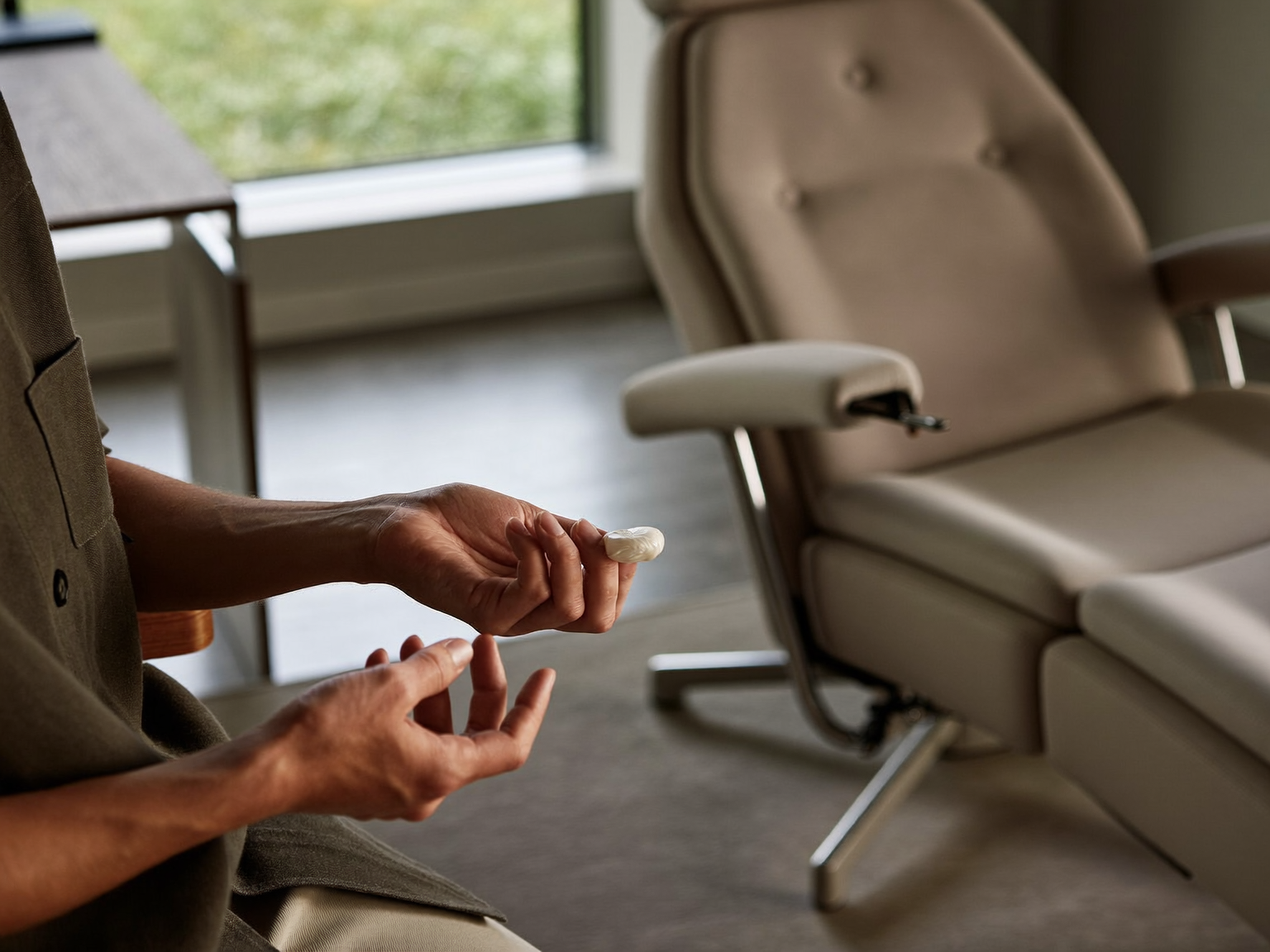
No, neurofeedback sensors cannot read your thoughts, identify specific memories, or reveal what you are thinking about. Scalp sensors work with electrical activity and signal patterns, not the personal meaning of your inner experience.
The distinction matters because words such as feedback, signal, and brain activity can sound more revealing than they are. A sensor may participate in detecting changing electrical activity at the scalp, but that does not translate into sentences, images, intentions, beliefs, or a private stream of thought. During our microcurrent neurofeedback sessions, the equipment is used within a defined session protocol on an FDA cleared device indicated for relaxation training and muscle reeducation.
It is also useful to separate sensing from interpretation. Equipment can register a physical signal without knowing why that signal looks the way it does. The device does not know whether you are remembering a conversation, planning dinner, listening to the room, or letting your mind wander. We do not assign a personal story to the signal, and we do not claim that a changing display exposes the content of a person’s mind.
Scalp sensors are designed to work with electrical activity available at the surface of the head. That activity is physical information. It is not a transcript of thought, a recording of inner speech, or a picture of what someone imagines.
A useful comparison is a microphone that measures volume without understanding a conversation. The measurement may show that sound changed, but it cannot establish the meaning of the words. In the same way, a scalp signal can vary while remaining separate from the meaning a person gives to an experience.
Several practical factors can affect contact at the scalp, including hair density, movement, skin contact, and the position of a sensor. Those factors are why a practitioner prepares the placement carefully and watches the equipment for usable contact. Good contact supports the session protocol, but it does not make the equipment capable of reading personal content.
Our role is to use the equipment according to its intended setup and explain the boundary clearly. We can describe where a sensor is placed and what part it plays in the process. We cannot look at a signal and know the subject of your thoughts.
No. A practitioner cannot use the session display to see a memory, identify an unspoken opinion, or know what you are picturing. The screen does not present a written or visual account of your internal experience.
What appears on equipment depends on the device and protocol. A display may show operational information that helps the practitioner manage the session, such as contact status, timing, or signal-related indicators. Operational information is not the same as personal meaning. A changing line or value does not tell us whether you feel bored, focused, reflective, or ready to leave.
We also avoid guessing. If you become quiet, shift in the chair, close your eyes, or look toward the window, those ordinary actions do not give us permission to construct a story about your state. If we need to know how you are doing, we ask in plain language. You decide what you want to share.
This boundary is important in a wellness setting. Equipment should not be presented as a source of hidden knowledge about a person. We explain its limited role rather than using technical language to imply access that it does not have.
Scalp sensors are not microphones. Their purpose is not to capture room audio, spoken words, or private conversations. The physical connection at the scalp should not be confused with an audio recording system.
A session room may still contain ordinary technology, such as a computer or phone, so it is reasonable to ask a studio whether any audio or video recording takes place. That is a separate privacy question from what the scalp sensors do. A clear provider should be able to explain the difference without dismissing the concern.
If you prefer quiet, you can also ask what sounds are normally present during a session and whether conversation is expected. Some people want a straightforward explanation and then minimal talking. Others prefer occasional check-ins. Those preferences concern the room and the interaction, not the sensor’s ability to decode thoughts.
We recommend asking direct questions whenever a piece of equipment is unfamiliar. A concise answer should identify what is sensed, what is displayed, and whether anything is recorded or retained.
Placement matters because a sensor needs an appropriate physical connection for the protocol being used. It does not matter because one location contains a particular thought or memory. A placement point is a repeatable reference on the scalp, not a map of someone’s private life.
Standard placement language helps practitioners work consistently. It allows us to describe locations without relying on vague directions such as a little above the ear or somewhere near the top of the head. Consistent terminology also makes it easier for a reader to ask what will happen before a session begins.
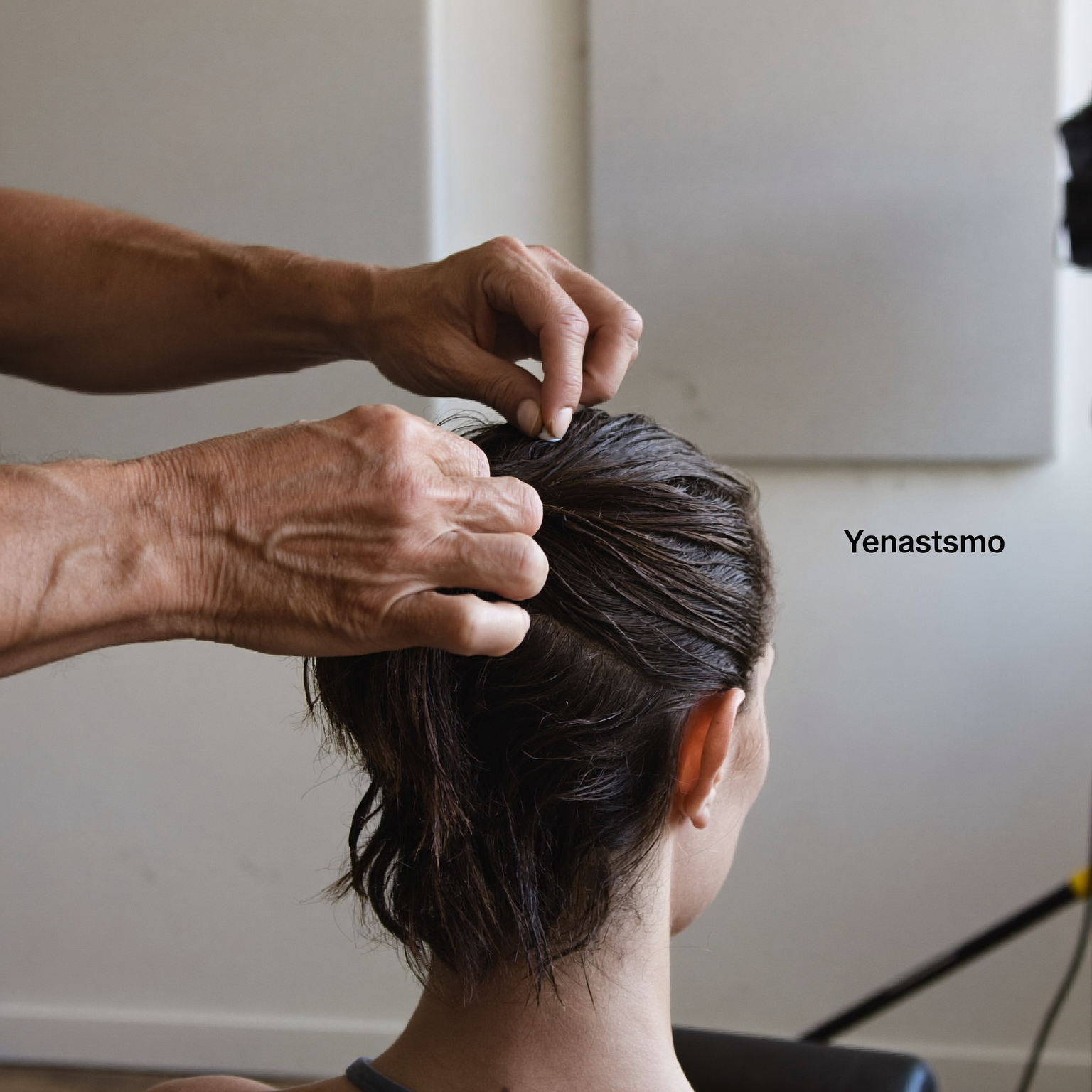
Hair and head shape can make the hands-on process look slightly different from person to person. A practitioner may part the hair, adjust the angle of a sensor, or check contact again after movement. These are equipment tasks. They do not involve searching for a hidden mental state.
Readers who want the physical setup in more detail can review our guide to sensor placement. The important privacy point remains simple: placement supports contact and protocol consistency, not access to thought content.
No. The terms may appear near each other online, but they should not be used as if they mean the same procedure. A microcurrent neurofeedback session follows the operating method of the device and the selected session protocol. Brain mapping commonly refers to a different process for collecting and organizing signal information across scalp locations.
Neither term means thought reading. A map of signal activity is not a map of private beliefs, personal history, or the narrative running through someone’s mind. Visual displays can look detailed and still have strict limits on what they establish.
This distinction becomes especially important when images use many colors or technical labels. A visually complex report can create a sense of certainty that exceeds the information actually present. We encourage readers to ask what was measured, how it was collected, what assumptions were used, and what conclusions the provider will not draw.
Our microcurrent versus brain mapping overview explains the procedural distinction further. The larger principle is that the name of a technology should not be used to imply powers the equipment does not have.
Ask questions that separate live operation from stored information. A provider should be able to explain what the device displays during the appointment, whether session information is retained, who can access it, and how scheduling or contact details are handled.
It is also reasonable to ask whether the room contains audio or video recording equipment, whether remote support can access the session computer, and whether identifying information is entered into device software. These are practical operational questions. They do not require you to disclose why privacy matters to you.
If an explanation relies on broad statements such as the machine knows what your brain needs, ask for a more precise description. What information enters the system? What does the practitioner see? What leaves the system? What remains after the appointment? Clear limits are more useful than impressive language.
We also suggest reviewing the provider’s written privacy information and asking about anything that remains unclear. Privacy expectations should be established before equipment is placed, not discovered midway through a session.
Listen for claims that move from measuring a signal to knowing a person’s inner life. Statements about uncovering exact memories, identifying secret intentions, reading unspoken words, or revealing the single reason for a feeling go beyond what scalp sensors can establish.
Technical vocabulary does not remove that boundary. Words such as frequency, waveform, feedback, or real time may describe parts of a process, but they do not convert electrical activity into a reliable account of thought content. A responsible explanation should become clearer when you ask questions, not more mysterious.
You can ask the provider to distinguish observation from inference. An observation might be that contact changed after someone moved. An inference would be a claim about what that movement meant internally. Those are not interchangeable.
Our guide on how neurofeedback works provides additional context about the signal process, while our questions for any provider page offers a broader checklist. We favor explanations that identify both capability and limitation. When the equipment cannot establish something, the provider should say so directly.
You can pause before anything is placed and ask to see the sensor, cable, and intended location. You can request a step-by-step explanation, ask how long setup usually takes, and tell the practitioner if you prefer advance notice before contact with your hair or scalp.
You may also decide not to proceed. Asking questions does not commit you to a session, and uncertainty does not need to be argued away. A consultation can be used to discuss equipment, privacy, room setup, and personal boundaries without presenting a promised outcome.
We encourage people to focus on concrete facts. The sensors do not read thoughts. The practitioner cannot see memories or decode inner speech. Sensor placement is part of the equipment protocol, and any separate data or recording practices should be explained plainly by the provider.
Comfort with the process begins with informed choice. We can explain the device, its FDA cleared indication for relaxation training and muscle reeducation, the session format, and the limits of what the equipment can reveal. You remain in control of what you say and what personal information you share.
Your Care and Comfort Matter
Momentous Neurofeedback is a wellness practice using advanced neurofeedback technology to support relaxation and nervous system regulation.
The IASIS i2 Relaxation Neurofeedback System is an FDA-cleared biofeedback device indicated for relaxation training and muscle reeducation.
Our services are not a substitute for medical care, we do not provide medical care, and we do not assess or identify health conditions. Individual experiences vary. If you have questions about your health or whether neurofeedback is appropriate for you, please speak with your licensed healthcare provider.
We are always happy to answer questions about what we do and what you can expect before your first visit.
About the Author
Studio lead
Session practitioner and studio lead
Runs sessions and looks after the room. Explains the equipment before anything is attached, and stops if you want to stop.
Handles the first conversation for most new visitors, which is where expectations get set plainly rather than optimistically.
Signal and Equipment
Learn how clean, dry hair, light styling products, and simple hairstyles make scalp sensor placement easier before a studio session.
16 September 2026. 6 minute read.

Signal and Equipment and Regulatory and Claims
The phrase covers several unrelated services that share only the size of the current. Here are the questions that tell them apart.
2 March 2026. 2 minute read.

Signal and Equipment and Sessions
The 10-20 system is a naming convention for scalp positions. Here is how it works and why placement gets written down every visit.
24 February 2026. 4 minute read.