





Sessions
Your First Visit, Step by Step
A first visit is a single appointment of about 45 minutes that includes intake paperwork, a walk through of the room and equipment, one session, and quiet time afterward. It is longer than every visit after it.
This page exists so nothing about the first visit is a surprise.
What Should You Do Before You Arrive?
Eat something, arrive with clean and dry hair, and give yourself a few spare minutes so you are not rushing in the door.
You do not need to prepare mentally. There is no task to be ready for.
- Clean, dry hair with no heavy product, so sensors make good contact.
- A normal meal beforehand rather than an empty stomach.
- Anything you want to ask, written down if that helps.
What Does the Intake Form Ask?
Practical questions. Sleep, caffeine, whether you are under the care of a clinician, and what you would like us to know about why you are here.
We do not need a health history to run a session, and we do not ask you to produce one. Share only what you are comfortable sharing.
What Does Sensor Placement Feel Like?
Two small areas of skin are cleaned, which feels cool. Sensors are then held in place. The signal that runs is very small and brief, and most people report feeling nothing at all while it runs.
If you do feel something, say so. The practitioner stops, checks, and adjusts.
Can You Bring Someone With You?
Yes. Someone can sit in the waiting area, and in most cases they can sit in the room with you if you would prefer that.
If the person coming with you is a parent or guardian of a minor, they stay for intake.
What Happens at the End of a First Visit?
You sit quietly, note anything you noticed, and then decide whether to book again. Nobody will press you to commit to a package on the way out.
Can You Drive Yourself Home?
Most people do. If you feel foggy or unusually tired, sit in our waiting area until that passes, or arrange a lift. We would rather you waited than pushed through it.
What If You Decide Partway Through That You Would Rather Stop?
Say so and we stop. Sensors come off immediately, and you are not charged for a session you asked to end.
The first hour, block by block
Minutes 0 to 10
Arrival and Paperwork
You check in, sit down, and complete a short intake form. It asks about sleep, caffeine, and anything you want us to know. You can skip any question.
Minutes 10 to 20
Questions and a Look at the Room
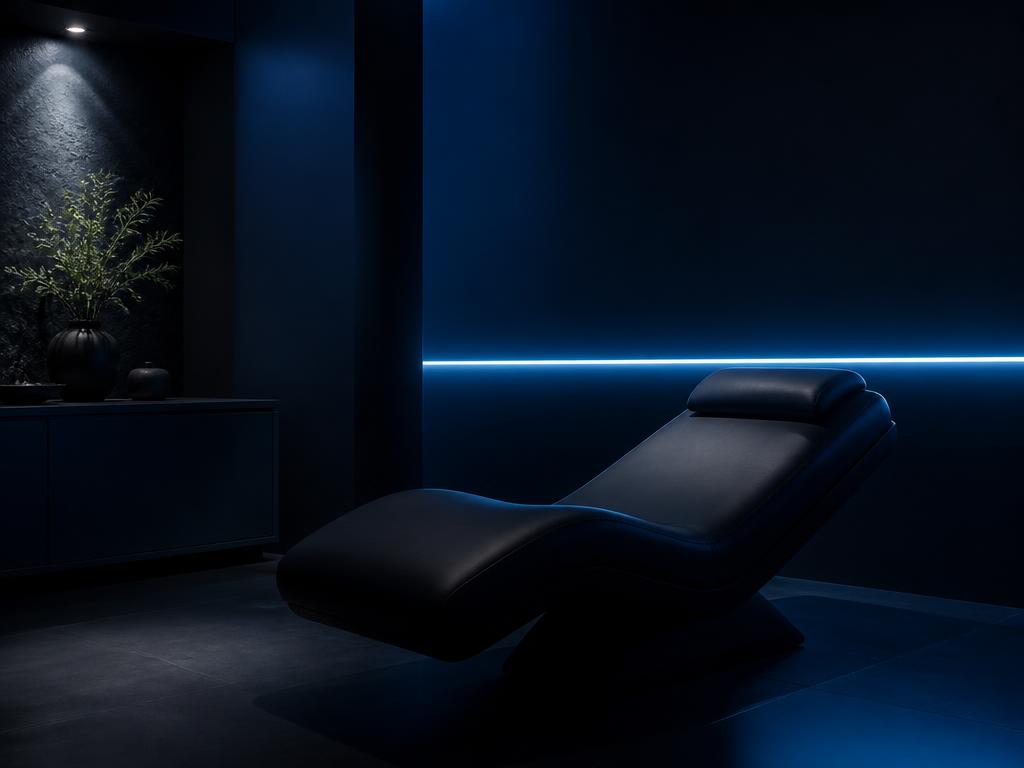
A practitioner walks you through the equipment, shows you where you will sit, and answers anything the website did not cover.
Minutes 20 to 25
Your Two Starting Scales
You rate two simple 0 to 10 prompts. They are yours, they are self report, and they exist so you have a baseline in your own words.
Minutes 25 to 40
Sensor Placement and the Session
Two small areas are cleaned, sensors are placed, and the signal runs for a short period per placement. Most people feel nothing. You sit still and rest.
Minutes 40 to 50
Quiet Time Before You Leave
Sensors come off. You sit for a few minutes, drink some water, and note anything you noticed. Nothing is expected to happen in this window.
Minutes 50 to 60
Scheduling and What to Watch For
We talk about spacing, tell you what people commonly report in the following day, and book the next visit only if you want one.
Questions People Ask About This

From the Journal
Related notes on sessions
Longer writing that expands on this page, from the people who run the sessions.
- The First Ten Minutes of a SessionA minute by minute account of how a microcurrent neurofeedback session opens, from the front door to the first sensor placement.5 minute read
- Night Shifts and Wind-DownA wind-down routine assumes darkness and a quiet house. Night shift work removes both. What changes, and what still works.5 minute read
- Why We Start at the Gentlest LevelA gentle first session is a deliberate operating rule, not caution for its own sake. Here is the reasoning and what it costs you.5 minute read
Your Care and Comfort Matter
Momentous Neurofeedback is a wellness practice using advanced neurofeedback technology to support relaxation and nervous system regulation.
The IASIS i2 Relaxation Neurofeedback System is an FDA-cleared biofeedback device indicated for relaxation training and muscle reeducation.
Our services are not a substitute for medical care, we do not provide medical care, and we do not assess or identify health conditions. Individual experiences vary. If you have questions about your health or whether neurofeedback is appropriate for you, please speak with your licensed healthcare provider.
We are always happy to answer questions about what we do and what you can expect before your first visit.
Book the First Visit When You Are Ready
If you would rather ask questions first, a consultation costs nothing and takes about fifteen minutes.