





Why People Come
Brain Fog and Mental Clarity
For People Who Describe Feeling Cloudy, Scattered, Slower, or Simply Not as Mentally Sharp as They Want to Feel.
Brain fog is not a clinical term, which is part of why people find it hard to raise. There is no test result to point at. What people describe is a gap between the way their thinking used to work and the way it works now.
It sounds like this. Words that arrive a half second late. Walking into a room and having to reconstruct why. Rereading a message three times before it lands. Feeling as though you are thinking through a layer of felt, and having to work harder for work that used to be automatic.
Momentous offers passive microcurrent neurofeedback in Arvada and Broomfield, with sessions intended to support relaxation and stress reduction. This page explains where that fits for people describing fog, and why the first step is not us.
Clarity is a downstream signal, so we look upstream.
A Closer Look
Fog, Clarity, and Where a Session Fits
What Do People Mean When They Say Brain Fog?
Usually a combination of slowness and slipperiness. Thinking takes longer, and things that should stay put do not. Names, words, and intentions go missing for a moment and then come back.
The other half of the description is effort. The work still gets done, and it costs more than it used to. People often notice it first in the ordinary things they had never had to think about, like following a recipe or holding a phone number in mind long enough to write it down.
- Words arriving slightly late
- Rereading to make something land
- Losing the thread of what you were about to do
- Mental effort that leaves you tired by mid-afternoon
- Feeling present in a conversation but slightly behind it
- A general sense of being less sharp than you know yourself to be
Why Look at the Brain and Nervous System?
We do not chase symptoms. We work with the brain and nervous system, the control center behind them.
Fog is a downstream signal. It shows up when the systems that feed clear thinking are strained, and there are many candidates: broken sleep, sustained stress, illness, hormonal transition, dehydration, alcohol, nutrition, and doing too much for too long without recovery.
That is exactly why we do not treat fog as a target. We work with the regulation that sits underneath sleep, stress recovery, and attention, because those are the inputs that clarity leans on. If the system spends its days in the gear that prepares you to act and rarely in the gear that lets you recover, mental sharpness is usually one of the first things to be quietly borrowed against.
What Should You Rule Out Before Booking Anything?
This is the part most wellness pages leave out, so we will put it near the top instead of near the bottom. Persistent fog is worth a conversation with a clinician, because several of its common contributors are identifiable with ordinary medical assessment and are entirely outside our scope.
We are a relaxation-focused wellness studio. We do not run blood work, we do not identify health conditions, and we do not have any way to tell you why your thinking feels cloudy. Please do not use us as a substitute for finding out.
- Sleep quality and breathing during sleep
- Nutrition, hydration, alcohol, and caffeine load
- Hormonal transition and other ordinary physiological changes
- Recent illness, injury, or medication changes, discussed with your prescriber
- Sustained workload without recovery
Where Does Microcurrent Neurofeedback Fit for Mental Clarity?
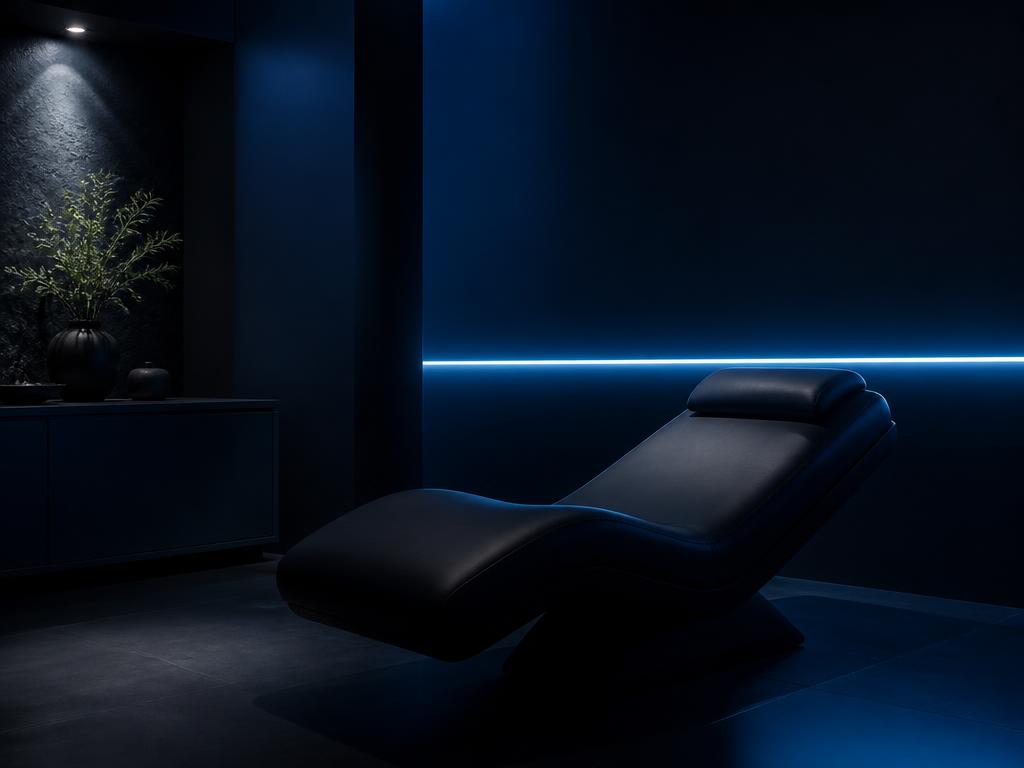
As a passive, complementary session inside a bigger picture. Sensors are placed at points around the cranium, the system reads brainwave activity, and it returns a very brief, very low microcurrent signal. You sit in a chair and nothing is asked of you.
People who arrive describing fog often mention how tired they are of effortful interventions. Another practice to keep up with, another routine to be consistent about. The appeal of a passive session is that there is nothing to be good at.
It sits alongside your care, and it does not replace sleep, medical assessment, or rest.
What Do People Notice After a Session?
Experiences vary and we will not tell you what yours will be. The most common report after a session is not sharper thinking, it is a quieter head, which people sometimes describe as feeling like less mental static.
Some notice words coming a little more readily later that day. Some feel briefly foggier for an hour or two before it settles. Some notice nothing at all. We record what you say, we do not translate it into a claim, and we do not encourage you to keep booking to find a result.
Can You Measure Whether My Thinking Is Clearer?
Not in any way that decides anything. We use Brain Gauge and heart rate variability insights to bring some objective data into the picture, and those are measurements of specific things rather than a verdict on your cognition.
Is Fog After a Session Normal?
A small number of people describe feeling foggy or tired for a short while afterward. Tell your practitioner, because that report is exactly the kind of thing that shapes how the next session is set up, or whether there is a next one.
What Does the Research Actually Say?
There are two different bodies of work here and they are easy to confuse. The larger one covers traditional EEG neurofeedback, where a person trains over many sessions with visual or audio feedback. That literature spans decades and is uneven in quality. The smaller one covers microcurrent systems like the one we use, and it is early, mostly small, and often uncontrolled.
IASIS Technologies, which makes the system in our studio, maintains a practitioner-facing list of published papers and case reports involving its device. We read it, we take it seriously as a starting point, and we also note that much of it consists of small samples without control groups. We cite it as a source of interest rather than as evidence of an outcome, and we do not send people to a manufacturer page to make up their minds.
Where a study exists that is worth your time, we say what it measured and how small it was on our own research pages rather than counting citations at you.
What We Will Not Tell You
We will not tell you why your thinking feels cloudy, because we do not know and we are not qualified to find out. We will not claim sessions clear fog, name a number of visits, or show you a score to imply progress.
If fog is persistent, new, or getting worse, please start with a clinician. That is the honest advice and it costs us bookings, which is a reasonable trade for being straight with you.
Common Questions
Questions About Brain Fog and Microcurrent Neurofeedback

From the Journal
Related notes on signal and equipment
Longer writing that expands on this page, from the people who run the sessions.
- What Microcurrent Really MeansThe phrase covers several unrelated services that share only the size of the current. Here are the questions that tell them apart.2 minute read
- The 10-20 System, ExplainedThe 10-20 system is a naming convention for scalp positions. Here is how it works and why placement gets written down every visit.4 minute read
- Night Shifts and Wind-DownA wind-down routine assumes darkness and a quiet house. Night shift work removes both. What changes, and what still works.5 minute read
Your Care and Comfort Matter
Momentous Neurofeedback is a wellness practice using advanced neurofeedback technology to support relaxation and nervous system regulation.
The IASIS i2 Relaxation Neurofeedback System is an FDA-cleared biofeedback device indicated for relaxation training and muscle reeducation.
Our services are not a substitute for medical care, we do not provide medical care, and we do not assess or identify health conditions. Individual experiences vary. If you have questions about your health or whether neurofeedback is appropriate for you, please speak with your licensed healthcare provider.
We are always happy to answer questions about what we do and what you can expect before your first visit.
Curious Whether Microcurrent Neurofeedback Belongs in Your Wellness Plan?
We are happy to explain the technology, what a session looks like, and whether Momentous feels like the right next step for you.