




Gentle & Non-Invasive
What Is Microcurrent Neurofeedback?
Microcurrent neurofeedback is a gentle, passive form of neurofeedback that works with your brain and nervous system in real time. Small sensors are placed at specific points around the cranium to read brainwave activity and deliver subtle microcurrent feedback in response.
There's nothing you need to practice, control, or perform. You simply breathe and receive.
What Happens During a Microcurrent Neurofeedback Session?
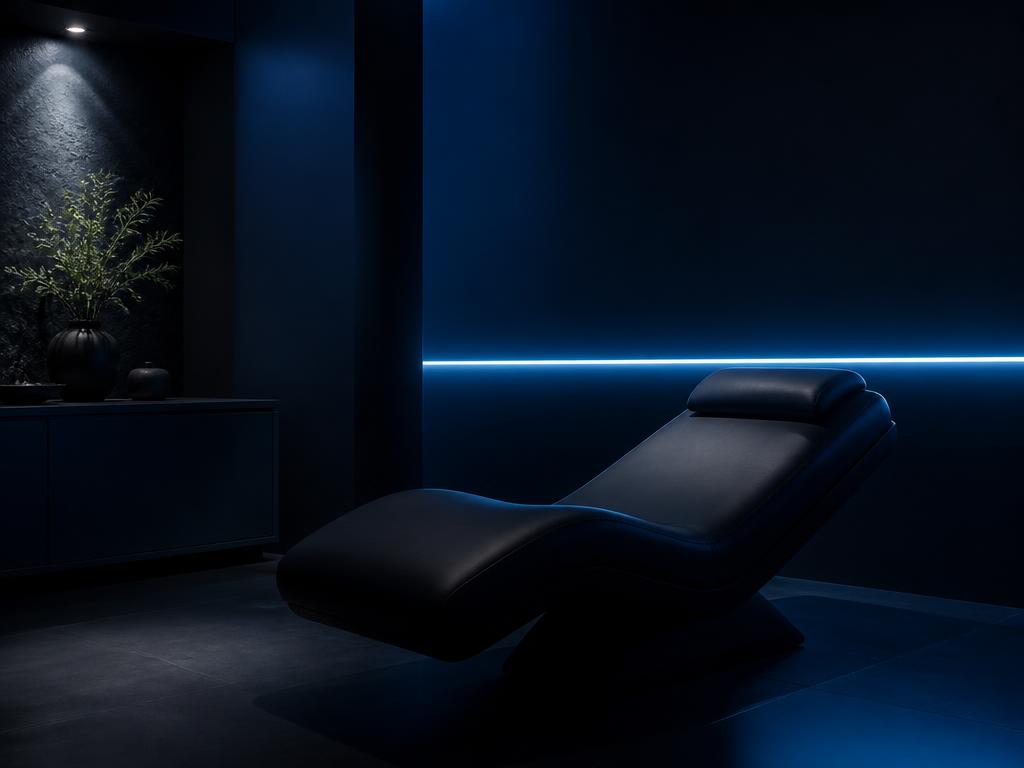
A session has three parts. Sensors are placed, a brief signal runs, and then you rest for the remainder of the appointment. Most of the visit is quiet time in a chair.
The equipment reads activity through the same sensors that deliver the signal. The practitioner watches the reading and decides where to place sensors next. Nothing is asked of you while this happens.
- Sensors rest against the scalp and behind the ears with a conductive paste. Nothing is shaved and nothing breaks the skin.
- The active signal is measured in seconds, not minutes.
- A full appointment usually runs longer than the signal, because the rest matters.
Is Microcurrent Neurofeedback the Same as EEG Neurofeedback?
No. EEG neurofeedback is a training practice. You watch or listen to feedback on a screen and your attention shapes what the feedback does, session after session.
Microcurrent neurofeedback returns a signal without asking you to respond to anything. There is no screen to watch and no skill being learned. The two methods share the word neurofeedback and little else.
Does Microcurrent Neurofeedback Hurt?
Most people report feeling nothing at all. The current is far below the level at which sensation typically begins, and it runs for a very short time.
A small number of people notice a faint tingle at a sensor site or feel tired later that day. We tell you about that possibility before your first visit rather than after it.
What Does This Practice Claim, and What Does It Refuse to Claim?
We offer sessions with a biofeedback device that holds FDA clearance for relaxation training and muscle reeducation. That is the whole scope of what we do.
We do not describe our sessions as medical care. We do not promise a result, a timeline, or a number of visits. We do not name a health condition and attach an outcome to it. If you read that language anywhere in the wider industry, treat it as a warning sign.
Who Is a Good Fit for a Session, and Who Is Not?
People who want quiet, low effort time and are comfortable with an honest description of an unproved practice tend to do well here. Curiosity is enough of a reason to try one visit.
People who need medical care need medical care. People who want a promise will not get one from us. The honest limits page names the rest of the situations where we say no.
Where Should You Start Reading?
If you want the mechanism, start with how it works. If you want the skeptical view first, start with what this is not. If the vocabulary is the obstacle, the glossary is short and plain.
Every page below links back here, and each one names the other pages that pair with it.
Questions People Ask About This

From the Journal
Related notes on signal and equipment
Longer writing that expands on this page, from the people who run the sessions.
- What Microcurrent Really MeansThe phrase covers several unrelated services that share only the size of the current. Here are the questions that tell them apart.2 minute read
- The 10-20 System, ExplainedThe 10-20 system is a naming convention for scalp positions. Here is how it works and why placement gets written down every visit.4 minute read
- Night Shifts and Wind-DownA wind-down routine assumes darkness and a quiet house. Night shift work removes both. What changes, and what still works.5 minute read
Your Care and Comfort Matter
Momentous Neurofeedback is a wellness practice using advanced neurofeedback technology to support relaxation and nervous system regulation.
The IASIS i2 Relaxation Neurofeedback System is an FDA-cleared biofeedback device indicated for relaxation training and muscle reeducation.
Our services are not a substitute for medical care, we do not provide medical care, and we do not assess or identify health conditions. Individual experiences vary. If you have questions about your health or whether neurofeedback is appropriate for you, please speak with your licensed healthcare provider.
We are always happy to answer questions about what we do and what you can expect before your first visit.
Start With a Conversation, Not a Commitment
A short consultation costs you nothing but time. Ask hard questions. We would rather answer them before you book than after.