




Sleep and Shift Work
Book Before or After a Night Shift?
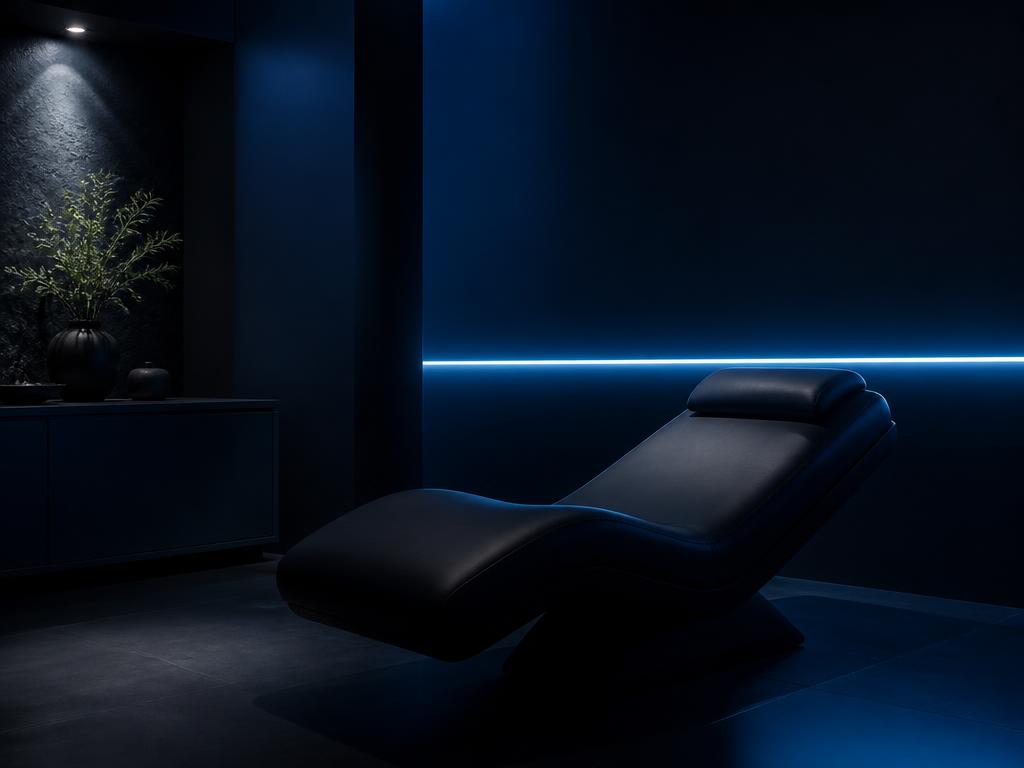
Choose a practical appointment window around overnight work by considering alertness, commuting, sleep plans, and schedule consistency.
10 September 2026. 6 minute read.

Sleep and daily scheduling
By the studio lead. Published 23 September 2026. Updated 23 September 2026. 7 minute read.
Drafted with AI assistance, then reviewed, edited where needed, and approved by the author above before publication.

Yes, you can nap after a microcurrent neurofeedback session. We do not require you to stay awake afterward, but we suggest considering whether a nap could make it harder to follow your usual bedtime routine.
A nap is a scheduling choice, not a required part of a session. If you regularly nap and still settle at your preferred bedtime, keeping that familiar pattern may be reasonable. If naps tend to leave you awake later than you want, plan a quieter period without going to sleep.
Our sessions use an FDA cleared microcurrent neurofeedback device indicated for relaxation training and muscle reeducation. That indication does not create a standard post-session sleep schedule, so we base practical guidance on your normal routine, the time of your appointment, and how alert you feel before leaving the studio.
People arrive with different levels of energy. One person may come in after a full workday, another may have had an early morning, and another may already be planning a quiet afternoon. Feeling ready to rest does not, by itself, tell us what the session did. It may simply reflect the day you were already having.
We avoid assigning meaning to every immediate sensation. A quiet room, a reclining chair, reduced phone use, and a pause from daily demands can all make sleepiness easier to notice. That is different from saying the session caused it. We keep those possibilities separate because a single moment cannot establish a pattern.
If you feel sleepy before you leave, tell us. We can give you time to sit up, have some water, gather your belongings, and decide whether you feel alert enough for your next activity. If driving does not feel sensible, wait, contact someone for a ride, or use another transportation option.
It can, depending on your established sleep pattern. Some people can take a brief daytime nap and still settle at their regular bedtime. Others find that sleeping late in the day leaves them more alert during the evening. We do not assume the same pattern for everyone.
The most useful guide is what normally happens when you nap. If an afternoon nap routinely pushes your bedtime later, the day of a session is not an ideal time to ignore that pattern. You could instead sit somewhere comfortable, lower the amount of stimulation around you, or take an easy pause without intending to sleep.
We suggest protecting the parts of your routine that already help mark the end of the day. That might mean eating at the usual time, dimming lights when you normally do, putting work away, or following the same sequence before bed. A session does not require you to replace those familiar cues.
We do not prescribe a standard nap length. The appropriate choice depends on whether you usually nap, how close you are to bedtime, and what you need to do afterward. A fixed duration would sound precise without accounting for the factors that matter most.
If you choose to nap, use the approach that is already least disruptive for you. Someone who regularly takes a brief nap may set the same alarm they normally use. Someone who rarely naps may prefer quiet rest so that an unplanned sleep period does not extend into the evening.
Before lying down, consider what time you want to get up and how you usually feel after daytime sleep. Also account for cooking, caregiving, commuting, or other responsibilities that require you to be fully alert. We view the nap as part of the whole day, not as an isolated step attached to the session.
If late naps usually keep you awake beyond your preferred bedtime, we would lean toward quiet rest instead. A late appointment already places the session near the hours when many people begin shifting out of work mode. Adding a nap may blur the transition between afternoon and evening.
Quiet rest can be simple. Sit in a comfortable chair, put your phone aside, listen to something familiar at a low volume, or spend a little time outdoors if that fits your routine. The aim is not to produce a particular feeling. It is to give yourself a low-demand interval while preserving the bedtime schedule you want.
If late appointments are the only practical option, let us know when booking. We can discuss the visit length, your travel time, and what the rest of your evening looks like. That conversation is about logistics, not predicting how you will feel.
You do not need to clear the entire day, but it helps to avoid an unnecessarily tight transition. Leave enough time to stand up, gather your things, check how alert you feel, and travel without rushing. A small buffer is especially useful when the next commitment involves driving, detailed work, or responsibility for someone else.
We recommend arriving with a realistic plan rather than assuming you will either need a nap or feel ready for anything. Both assumptions get ahead of the information available. You can decide what makes sense once the appointment is complete and you have paused for a moment.
If your schedule includes physical work, a long drive, an overnight schedule, or another demanding obligation, share that context before the session begins. We can help you think through timing and practical transitions while staying within the scope of a wellness studio.
We do not describe a nap as extending, improving, or cancelling a session. Those statements would require evidence specific to the device, timing, nap pattern, and experience being discussed. We do not have a basis for making that promise or warning.
The device indication is relaxation training and muscle reeducation. It does not include an instruction that everyone must sleep afterward, nor does it establish a required period of wakefulness. We therefore separate the device session from ordinary choices about daytime sleep.
If you nap, that choice may still affect the rest of your day in the same practical ways that naps usually do. You might wake near dinner, shift an evening task, or reach bedtime feeling more or less ready to sleep. Those observations belong in your personal schedule notes, not in a broad claim about microcurrent neurofeedback.
Use simple notes rather than trying to interpret one day. Record the appointment time, whether you napped, roughly when you got up, when you went to bed, and whether the evening felt consistent with your usual rhythm. Keep the language observational and avoid forcing the experience into a positive or negative category.
Context matters. A very early start, an unusually demanding day, travel, extra screen time, or a change in household responsibilities can all shape when you feel sleepy. Writing down that context makes the note more useful than recording only that you took a nap.
We encourage people to choose a few details they can track consistently. The purpose is not to manufacture a score. It is to notice whether daytime sleep repeatedly supports or disrupts the schedule they want. Our guide to measuring your own progress offers a broader framework for making personal observations without turning every fluctuation into a conclusion.
Ask before booking if your available appointment times sit close to your normal bedtime, follow an overnight work period, or require a long drive home. Ask during the visit if you are already unusually sleepy or if your plans changed after you arrived. Those details help us discuss scheduling and transportation clearly.
We can explain the session format, how long to allow at the studio, and what choices you will have before leaving. We can also help you compare earlier and later appointment windows. We cannot predict whether you will nap or how a particular night will unfold.
For questions about whether the service is suitable for you, use the studio’s safety and suitability information or book a consultation. If you simply need help choosing an appointment time, contact us with your usual sleep window and travel needs. We will keep the conversation practical and specific.
Your Care and Comfort Matter
Momentous Neurofeedback is a wellness practice using advanced neurofeedback technology to support relaxation and nervous system regulation.
The IASIS i2 Relaxation Neurofeedback System is an FDA-cleared biofeedback device indicated for relaxation training and muscle reeducation.
Our services are not a substitute for medical care, we do not provide medical care, and we do not assess or identify health conditions. Individual experiences vary. If you have questions about your health or whether neurofeedback is appropriate for you, please speak with your licensed healthcare provider.
We are always happy to answer questions about what we do and what you can expect before your first visit.
About the Author
Studio lead
Session practitioner and studio lead
Runs sessions and looks after the room. Explains the equipment before anything is attached, and stops if you want to stop.
Handles the first conversation for most new visitors, which is where expectations get set plainly rather than optimistically.
Sleep and Shift Work
Choose a practical appointment window around overnight work by considering alertness, commuting, sleep plans, and schedule consistency.
10 September 2026. 6 minute read.

Sleep and Shift Work and Sessions
A wind-down routine assumes darkness and a quiet house. Night shift work removes both. What changes, and what still works.
10 March 2026. 5 minute read.
Signal and Equipment
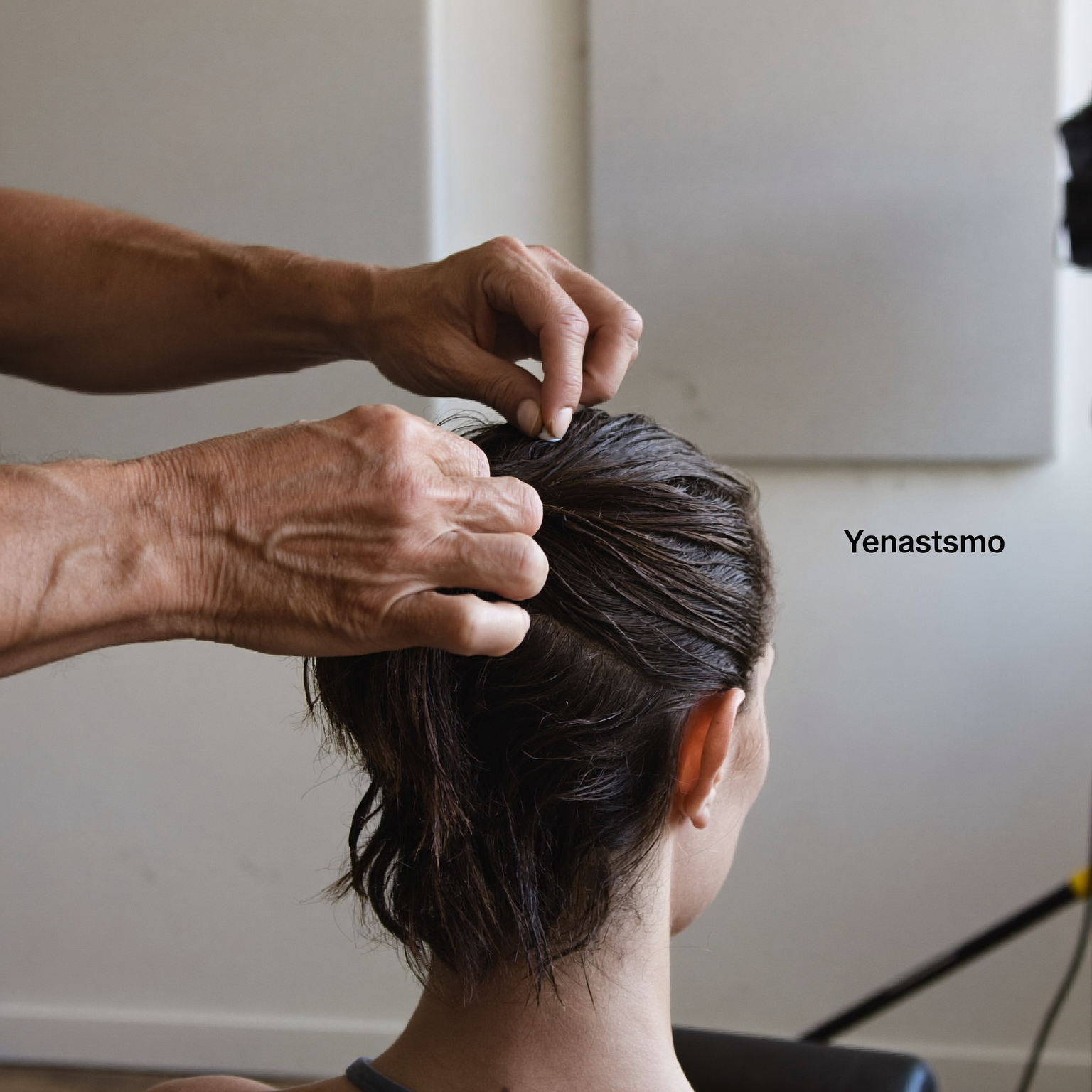
Learn how clean, dry hair, light styling products, and simple hairstyles make scalp sensor placement easier before a studio session.
16 September 2026. 6 minute read.