





Practice Standards and Regulatory and Claims
Why We Publish What We Do Not Know
Publishing our open questions is a commercial disadvantage and we do it anyway. The reasoning, and what it costs us.
3 March 2026. 4 minute read.

Planning Your Visit
By the operations. Published 30 September 2026. Updated 30 September 2026. 7 minute read.
Drafted with AI assistance, then reviewed, edited where needed, and approved by the author above before publication.
Yes, you can ask to bring a support person to your microcurrent neurofeedback session. Whether that person remains in the room for all or part of the visit depends on your consent, the available space, privacy boundaries, and whether we can maintain a quiet session environment.
A support person may be a partner, family member, friend, caregiver, interpreter, driver, or another person whose presence helps you navigate the visit. We ask that you contact us before arriving together so we can discuss what you need and explain how participation works in our studio.
A support person may be able to remain for the full visit, but we make that decision with you before the session begins. We consider room layout, the purpose of their presence, your preferences, and whether everyone can follow the studio’s privacy and quiet-room expectations. We do not assume that every companion should stay simply because they arrived with you.
Some guests want another person present during the initial conversation and sensor preparation, then prefer to continue alone. Others want their companion nearby throughout the visit. A companion may also wait outside the room and remain available if needed. We can discuss these arrangements without requiring you to defend or disclose personal details.
The device used in our studio is FDA cleared and indicated for relaxation training and muscle reeducation. A session does not require a companion to perform tasks, interpret a display, or coach you. If someone stays, their role is generally to provide the practical or personal support you requested while allowing us to conduct the session without interruption.
We may recommend that a companion wait outside when the room is too small for another person, when conversation is disrupting the quiet setting, or when their presence appears inconsistent with the guest’s stated preference. We may also pause to confirm consent privately if it is unclear whether the guest freely chose to have that person present.
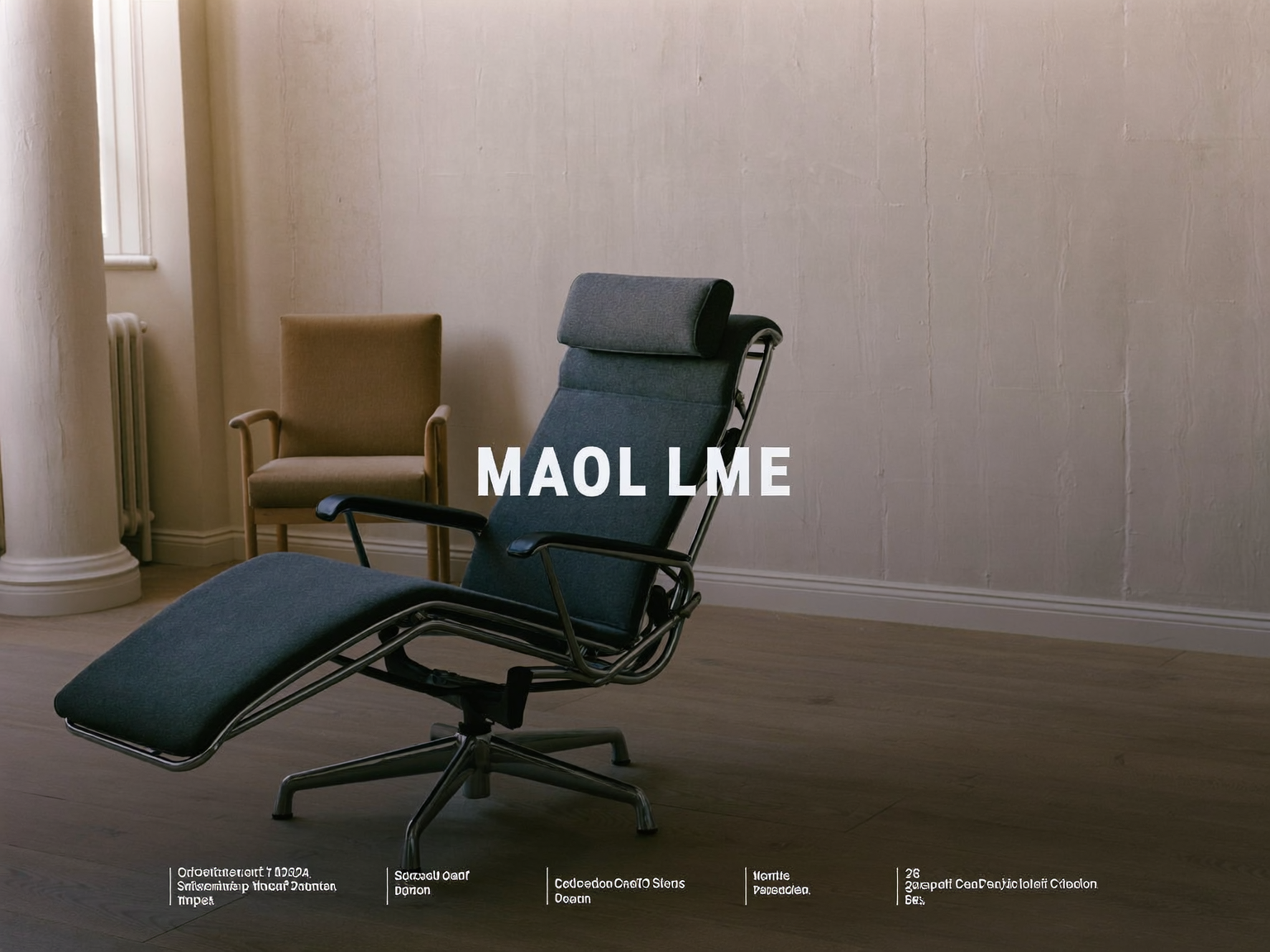
A session room has practical limits. We need unobstructed access to the chair, sensor locations, device controls, and walking paths. Bags, mobility aids, coats, and extra seating must be positioned without blocking movement. If the arrangement becomes crowded, we may suggest a nearby waiting option rather than compromise access around the chair.
This is not a judgment about the companion or their relationship with the guest. It is a boundary that helps us preserve privacy, safe movement, and a calm working environment. We explain the reason directly and look for a practical alternative, such as having the person join at the beginning and return near the end.
Anyone in the room may hear what you tell us and may observe how we prepare the session. That can include your scheduling questions, your preferences, the placement process, and anything you choose to share about recent routines or experiences. Their presence therefore changes the privacy of the conversation, even when everyone has good intentions.
We ask for your permission before discussing personal information in front of a companion. You may choose to answer some questions privately, and you may ask the other person to step out at any point. Consent to enter the room is not blanket consent to hear every conversation or participate in every decision.
A companion also does not automatically have permission to take photographs, make recordings, view forms, or speak on your behalf. Those actions require separate agreement. We keep the focus on your choices and use direct questions to confirm what you want shared, what should remain private, and how actively the other person should participate.
Brief, necessary communication is usually easier to accommodate than an ongoing conversation. Your companion can let us know if you need practical assistance or can help clarify a request when you have asked them to do so. We may ask everyone to keep voices low and limit unrelated conversation once the session is underway.
A companion should not answer every question for you unless that is the communication arrangement you requested. When possible, we address questions to you first and allow time for your response. If you use an interpreter, communication aid, or another established form of assistance, we plan around that rather than assuming silence is required.
We also ask companions not to coach a particular response or evaluate each moment of the visit. There is no performance standard for how you should look, speak, or spend the quiet time. Reading, resting with eyes open or closed, or simply sitting still may all fit the session, depending on the instructions we provide.
Tell us that another person will attend and what role you would like them to have. You do not need to provide a long explanation. A short note about seating, interpretation, mobility, communication, arrival assistance, or whether the person should remain nearby gives us enough information to plan the room and confirm what is possible.
Advance notice is especially useful when your companion needs a seat positioned in a particular place, when you are coordinating transportation, or when more than one person expects to come inside. Studio space is finite, so we should not assume that a group can wait in or enter the session room together.
Useful details to share before the visit include the following:
Let us know what kind of assistance is useful and who should provide it. Assistance may involve entering the room, moving personal belongings, understanding spoken instructions, changing position, or signaling that you want a pause. Clear roles help us avoid making assumptions about what you can do independently or what your companion should do for you.
We remain responsible for explaining the session, preparing the equipment, and handling studio procedures. A support person should not adjust device controls, move sensors, or change the setup unless a practitioner has specifically directed a simple action. Keeping those responsibilities clear protects the consistency of the session process.
If you are unsure what arrangement will work, a conversation before booking can help us review the room, the visit sequence, and any access question you have. We can explain what we can accommodate and identify details that need to be settled before arrival. We would rather clarify a practical need in advance than improvise after the visit has started.
Yes, you can change your preference about who remains in the room. You may ask your companion to step out, invite them back for a later conversation, request a pause, or decide that you want to leave. Agreeing to one arrangement at check-in does not require you to keep that arrangement for the entire visit.
If you appear uncomfortable with the companion’s participation, we may check in with you directly and, when appropriate, privately. We do not ask companions to interpret consent for the person receiving the session. A clear answer from you guides whether the visit continues with the same arrangement, changes, pauses, or ends.
Companions can also change their own plans. Someone who expected to stay may decide to wait elsewhere, and someone waiting nearby may return when invited. The practical standard is simple: we keep checking that the arrangement remains voluntary, workable, and respectful of everyone sharing the space.
Start by deciding what you want the other person to do. They might help with arrival, attend the introductory conversation, sit quietly throughout, provide interpretation, or return when the session is ending. A specific request is easier for us to plan than a general statement that someone may come along.
Review our visit information before booking, then contact us if the available guidance does not answer your access or privacy question. We can discuss the room arrangement and companion role without asking you to share more personal information than is necessary for planning. If the arrangement needs extra coordination, we may recommend speaking with us before selecting a time.
On arrival, we confirm the plan with you rather than relying only on what a companion says. We can revise that plan as needed. This approach keeps the session centered on your consent while giving a support person a clear, useful role.
Your Care and Comfort Matter
Momentous Neurofeedback is a wellness practice using advanced neurofeedback technology to support relaxation and nervous system regulation.
The IASIS i2 Relaxation Neurofeedback System is an FDA-cleared biofeedback device indicated for relaxation training and muscle reeducation.
Our services are not a substitute for medical care, we do not provide medical care, and we do not assess or identify health conditions. Individual experiences vary. If you have questions about your health or whether neurofeedback is appropriate for you, please speak with your licensed healthcare provider.
We are always happy to answer questions about what we do and what you can expect before your first visit.
About the Author
Operations
Scheduling and organization programs
Books sessions, manages seats for organization programs, and answers the messages that arrive through the contact form.
Owns the anonymized identifier process that keeps a funding organization from seeing who attended.
Practice Standards and Regulatory and Claims
Publishing our open questions is a commercial disadvantage and we do it anyway. The reasoning, and what it costs us.
3 March 2026. 4 minute read.

Regulatory and Claims and Practice Standards
Regulatory language and marketing language look similar on a web page. Six practical tests for telling them apart in seconds.
17 February 2026. 5 minute read.

Sessions and Practice Standards
A gentle first session is a deliberate operating rule, not caution for its own sake. Here is the reasoning and what it costs you.
10 February 2026. 5 minute read.